





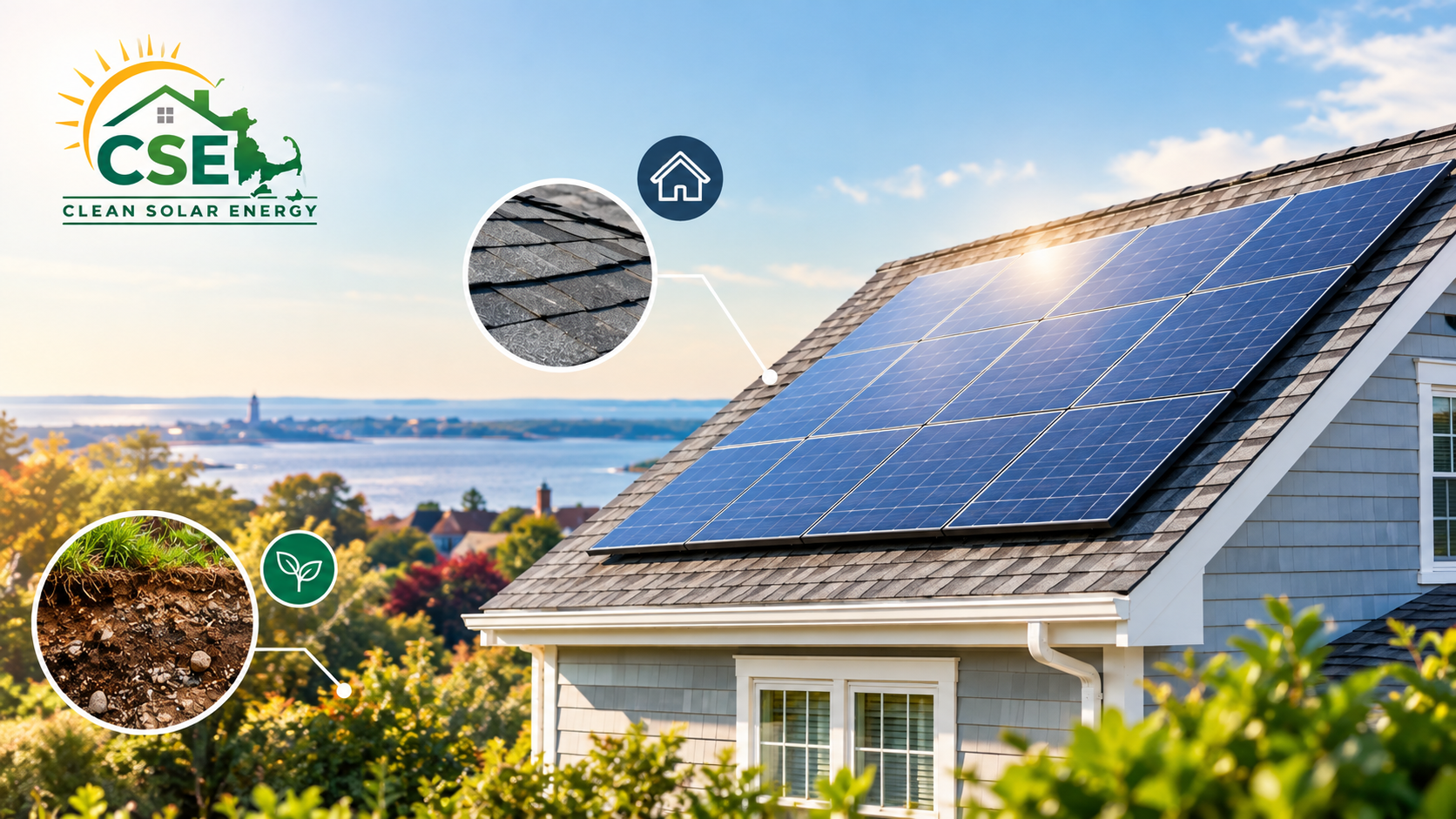
Residential solar panel installation in Massachusetts involves more than placing panels on a sunny roof. Before installers can transform sunlight into electricity, they must understand what lies beneath the property and what supports the panels above it. From rocky New England soil and challenging winter conditions to aging roof structures and heavy snow loads, every home presents a different set of installation requirements.
Massachusetts homeowners have excellent reasons to explore solar energy, including the opportunity to reduce electricity bills, improve energy independence, and support a cleaner environment. However, a successful solar project begins with a careful assessment of the property’s physical conditions. Soil stability affects ground-mounted systems, while roof strength, material, orientation, and age influence rooftop installations.
By understanding these factors early, homeowners can make informed decisions, avoid unexpected expenses, and build a solar system designed to perform reliably for years. Let’s explore how Massachusetts’s unique landscape and residential construction styles influence solar installation and what homeowners should consider before getting started.
The New England Ground Beneath Your Solar Investment
Massachusetts has a varied landscape shaped by glaciers, centuries of weathering, and a long history of residential development. Consequently, soil conditions can change significantly from one property to another. A homeowner in a coastal community may encounter sandy soil, while another in central or western Massachusetts may have dense glacial till, clay-rich deposits, shallow bedrock, or large buried rocks.
These differences matter most when a homeowner chooses a ground-mounted solar system. Unlike rooftop panels, ground-mounted arrays depend on foundations, posts, or other support structures anchored securely in the earth. If the soil cannot support the proposed structure, the installation team may need to adjust the foundation design, change the mounting method, or select a different location.
Moreover, a property’s appearance does not always reveal what lies underground. A relatively flat lawn may conceal boulders, compacted construction fill, or poorly drained soil. Therefore, a site assessment should examine the proposed installation area rather than rely solely on visual observations.
For homeowners considering Residential solar panel installation, understanding ground conditions at the beginning helps establish a realistic project budget and reduces the risk of costly surprises during construction.
Rocky Soil, Hidden Bedrock, and the Foundation Challenge
Rocky soil is a familiar challenge across parts of Massachusetts. Glacial activity left behind stones, boulders, and irregular layers of compacted material in many locations. In some areas, bedrock lies close to the surface, making it difficult to install conventional ground-mounted solar foundations.
When installers encounter these conditions, they may need specialized drilling equipment, alternative foundation systems, or engineered anchoring solutions. Although these methods can increase upfront costs, they may provide the structural stability the installation requires. The appropriate approach depends on the site’s geology, the array’s size, local requirements, and the recommendations of qualified professionals.
Clay and other fine-grained soils present a different set of considerations. Depending on their composition, moisture content, and drainage characteristics, some soils can soften when saturated or change volume as moisture levels fluctuate. These changes may affect foundation performance over time if the system lacks suitable engineering.
Therefore, homeowners should ask their installer how the team will evaluate the soil and address unexpected underground obstacles. For larger ground-mounted projects, a geotechnical investigation may be appropriate. This process can help determine soil characteristics and inform foundation design, particularly when site conditions are uncertain.
The key is not to assume that difficult soil makes solar impossible. Instead, the installation team should identify the challenge early and select a solution that balances safety, durability, and cost.
Massachusetts Winters: Frost, Snowmelt, and Shifting Ground
Winter introduces another important consideration: frost depth. When water in the ground freezes, it can expand and cause soil to move. This process, commonly called frost heave, may place pressure on foundations that do not account for local freezing conditions. As temperatures rise, thawing soil can create additional movement.
For ground-mounted solar installations, foundation depth and design should reflect applicable local requirements and actual site conditions. Proper drainage also matters because standing water can freeze, soften the ground during a thaw, or contribute to long-term erosion. Installers and structural professionals must consider these factors when determining how to secure the support system.
Snowmelt can create challenges as well. Water flowing across a sloped property may collect near mounting posts or travel through areas where soil is already unstable. Over time, poor drainage can undermine the ground around foundations. Thoughtful grading and suitable drainage measures can help manage runoff without directing water toward the home’s foundation or neighboring properties.
Winter weather also affects rooftop solar systems, although the mechanisms differ. Roofs must withstand snow loads, while mounting hardware must transfer the system’s forces safely into the building structure. Ice dams, moisture intrusion, and freeze-thaw cycles can expose existing weaknesses in older roofs.
As a result, planning for Massachusetts weather should be part of the initial engineering process, not an afterthought. A solar system designed for year-round conditions is better positioned to deliver dependable performance through changing seasons.
Your Roof Is More Than a Surface: Understanding Structural Strength
A rooftop may look perfectly solid from the street, but its appearance alone cannot establish whether it can support a solar installation. Beneath the shingles or other roofing material, rafters, trusses, sheathing, connectors, and load-bearing walls work together to support the structure. Before adding solar panels, installers must determine whether the existing roof can safely accommodate the proposed system.
Solar panels add permanent weight to the roof, and the mounting equipment introduces additional structural considerations. In Massachusetts, the design must also account for applicable snow loads, wind forces, and other requirements specified by the relevant building codes. The combined loads matter because a roof must support more than the solar equipment alone.
Roof age and construction quality can complicate the assessment. For example, older homes may contain deteriorated rafters, damaged sheathing, or modifications made during previous renovations. Water damage from a leaking chimney or worn flashing may also weaken sections of the roof without obvious signs from outside.
A qualified installer or structural professional can assess the roof’s condition and determine whether reinforcement is necessary. Depending on the findings, the project may require stronger connections, localized repairs, or other engineering measures before installation begins.
Importantly, homeowners should not assume that every older roof needs replacement. A professional assessment can distinguish between a roof that remains suitable for solar and one that needs attention first. This step helps protect both the home and the long-term investment.
Roof Material Matters: Shingles, Metal, Slate, and More
The roofing material influences how installers attach solar panels, protect against water intrusion, and plan future maintenance. Asphalt shingles are common on Massachusetts homes and generally accommodate established solar mounting methods. However, installers must use compatible flashing and attachment hardware to preserve the roof’s weather resistance.
Standing-seam metal roofs can offer a different advantage. Certain systems allow installers to clamp mounting hardware directly onto the seams, potentially avoiding penetrations through the roofing surface. The exact approach depends on the roof profile, material specifications, and approved mounting equipment.
Slate and tile roofs require greater care because individual pieces can crack during installation or when workers move across the surface. These materials may require specialized attachments, additional precautions, or experienced installers familiar with their characteristics. Historic Massachusetts homes may also have roofing details that require particular attention to preserve the building’s appearance.
Regardless of material, the installer must select mounting hardware that suits the roof and follow the manufacturer’s installation requirements. Poorly planned attachments can compromise waterproofing, while incompatible components may affect structural performance or equipment warranties.
Homeowners should also consider how the roof will be maintained after the panels are installed. If the roof needs repairs or replacement in the near future, completing that work before installing solar panels can avoid the expense and inconvenience of removing and reinstalling the system later.
6. Roof Age, Orientation, and Shape: Finding the Right Solar Opportunity
Not every roof offers the same opportunity to capture sunlight. Its orientation, pitch, usable area, and surrounding shade all influence how much electricity a solar system can generate. In Massachusetts, south-facing roof sections often provide strong solar exposure, but east- and west-facing sections can also support productive installations when the design suits the property’s energy goals.
Roof shape can limit the available panel area. Dormers, chimneys, skylights, valleys, and plumbing vents may interrupt otherwise usable sections. Nearby trees and neighboring buildings can also cast shadows across the roof, particularly during winter when the sun follows a lower path across the sky.
A professional site assessment helps identify these obstacles and determine how to arrange the panels. Installers can evaluate shading throughout the year, estimate expected energy production, and compare possible layouts. In some cases, equipment designed to manage differences in panel output may help reduce the effect of partial shading, although the benefits depend on the system design.
Roof age is equally important. Installing solar panels on a roof that is nearing the end of its useful life may create avoidable costs. If replacement becomes necessary a few years later, the homeowner may need to pay for panel removal, roof work, and reinstallation.
For this reason, homeowners should consider the roof’s remaining service life alongside the expected life of the solar equipment. A coordinated plan can help ensure the roof and solar system work together as a long-term investment rather than creating separate maintenance problems.
Soil and Roof Conditions: How They Influence Project Costs
The property’s physical conditions can affect the overall cost of a solar project in several ways. For ground-mounted systems, rocky soil, buried obstacles, drainage problems, and difficult access may increase excavation or foundation expenses. A site that requires specialized drilling or additional engineering may cost more to prepare than one with straightforward soil conditions.
Rooftop systems have their own potential cost factors. Structural reinforcement, roof repairs, replacement shingles, specialized mounting equipment, and complicated roof geometry can all affect the installation budget. However, these expenses vary from home to home, so homeowners should request a site-specific estimate rather than rely on a generic price.
It is also worth comparing the total cost of different installation options. A roof-mounted system may make sense when the roof is structurally sound and offers sufficient sunlight. By contrast, a ground-mounted system could be attractive when the roof has substantial shading, unsuitable orientation, or insufficient usable area, provided the property has enough suitable land.
Clean Solar Energy can help homeowners consider the practical requirements of a solar project alongside their energy goals. A thorough evaluation should explain which site conditions could affect installation, what corrective work may be necessary, and how different design choices influence the overall proposal.
Although addressing structural or site-related problems can increase initial costs, skipping essential preparation can create more expensive problems later. The goal is to identify the right solution for the property, not simply to choose the option with the lowest initial quote.
Permits, Local Requirements, and Professional Site Assessments
Massachusetts solar projects must comply with applicable building and electrical codes, permitting requirements, and local rules. Depending on the property and installation type, additional considerations may include zoning restrictions, historic-district requirements, wetlands protections, and utility interconnection procedures.
These requirements are particularly relevant to ground-mounted arrays. A proposed installation may affect setbacks, land use, drainage, or protected areas. Therefore, homeowners should confirm whether the project needs zoning review or other approvals before committing to a specific layout.
Rooftop projects require their own checks. Structural calculations, roof attachment details, electrical plans, and compliance with applicable fire-safety requirements may form part of the permitting process. Requirements can vary by municipality and project design, so the installation team should verify the rules that apply to the specific property.
A professional assessment should bring these details together. Ideally, the homeowner receives a clear explanation of roof condition, soil or foundation considerations where relevant, estimated energy production, proposed equipment, and the approvals required before work begins.
Choosing an experienced installer can make this process easier because the team can coordinate the relevant technical evaluations and identify issues before construction. Homeowners should also ask who is responsible for permitting, inspections, and utility coordination, rather than assuming every service is automatically included in the contract.
Rooftop or Ground-Mounted Solar: Which Is Right for Your Massachusetts Home?
The right installation method depends on the property’s roof, available land, soil conditions, and energy requirements. Rooftop solar can make efficient use of existing space and avoid the need for a separate ground-mounted foundation. When the roof has adequate structural strength, good sunlight exposure, and sufficient usable area, it may be the most practical option.
Ground-mounted solar, on the other hand, gives homeowners greater flexibility in choosing panel orientation and tilt. Installers can position the array away from roof obstructions and sometimes reduce shading. However, the property must provide enough suitable land, and the design must address foundation stability, drainage, setbacks, and potential impacts on landscaping.
Consider a Massachusetts homeowner with an older roof shaded by mature trees but a sunny backyard. A ground-mounted system might offer a better solar resource, provided the soil and local regulations permit it. Conversely, a homeowner with a newer, unshaded roof and limited yard space may benefit more from rooftop panels.
Neither option is automatically superior. A qualified solar professional should compare the expected energy production, installation costs, maintenance needs, and site limitations of both approaches before recommending a design.
Ultimately, the best system is the one that fits the property safely and produces useful electricity over the long term.
Build a Stronger Solar Future by Preparing Your Property
Successful solar installation starts well before the first panel reaches the roof. Homeowners who evaluate their property’s soil, roof condition, drainage, and exposure early can make better decisions about system placement, project costs, and long-term maintenance.
For ground-mounted installations, this means understanding soil composition, potential bedrock, groundwater and drainage patterns, and frost-related movement. For rooftop projects, it means confirming structural capacity, inspecting roofing materials, evaluating the roof’s remaining service life, and selecting suitable mounting hardware.
It also helps to approach solar planning as a coordinated home improvement project. If the roof needs replacement, consider completing it before solar installation. If the property has challenging soil, request an appropriate foundation assessment. If trees create excessive shade, discuss realistic options for improving sunlight exposure without overlooking local tree-protection rules.
Clean Solar Energy encourages homeowners to look beyond the panels themselves and consider the complete property when evaluating solar energy options. A well-planned project should balance energy production, structural safety, weather resilience, and the homeowner’s budget.
Residential solar panel installation in Massachusetts can be a worthwhile long-term investment when the system matches the property’s actual conditions. With careful preparation, qualified professionals, and realistic expectations, homeowners can move toward cleaner electricity while protecting the home that supports their investment.
